A new CEO was hired to take over a struggling company. On his way out, the former CEO met with him privately and handed him three numbered envelopes.
“Open these only if you run into serious trouble,” he said.
Three months later, the company was not just missing its numbers - it had also received an internal hotline complaint, a document request from a regulator, and a wave of anxious questions from the board. The new CEO felt the pressure immediately. He closed his office door, opened the first envelope, and read the note inside.
It said: “Preserve everything.”
So, the CEO immediately issued a legal hold, halted routine deletion, secured devices, and brought in outside counsel and the compliance team. What had once been a business problem was now also an enforcement problem. Everyone suddenly understood that careless emails, missing texts, and late preservation decisions could make the facts look worse than they already were.
Another quarter passed. The facts were getting clearer, but so were the risks. There were questions about controls, incentive pressure, and whether managers had ignored red flags. The board wanted to know not just what happened, but when management learned of it and what it did next. The CEO opened the second envelope.
It said: “Tell the board early. Tell the government before someone else does.”
So, the CEO stopped managing the issue like a communications problem and started managing it like an enforcement matter. He briefed the board candidly, authorized an independent investigation, and weighed voluntary self-disclosure before a whistleblower, customer, competitor, or former employee got there first. He learned that in the current environment, delay is often its own fact pattern.
Three months later, the company had contained the immediate crisis, but the real test had arrived. Regulators wanted proof that the company could fix the underlying problem, not just explain it away. They wanted to see whether compensation, reporting lines, controls, and discipline matched management’s promises. Before the next board meeting, the CEO opened the third envelope.
It said: “Remediate for real - and assume they will test it.”
So, the CEO changed incentives, strengthened reporting channels, disciplined the right people, upgraded controls, and made sure the company could demonstrate the changes with documents, training records, audit trails, and board minutes. He finally understood the real lesson: in today’s enforcement environment, the issue is rarely just the misconduct. It is whether leadership preserved the facts, escalated quickly, and fixed the conditions that allowed the problem to happen in the first place.
What the Three Envelopes Mean Today
|
Envelope 1 |
Envelope 2 |
Envelope 3 |
Board Lesson |
|
Preserve documents and devices immediately; poor preservation can become a separate problem. |
Escalate early to the board and evaluate self-disclosure before a whistleblower or regulator frames the narrative first. |
Remediation must be real, documented, and testable - not just announced. |
The board expects speed, candor, evidence of oversight, and a credible plan for individual accountability and control enhancement. |
About the DOJ Enforcement Team Behind This Issue
This first issue introduces Robins Kaplan’s Emergency Envelope series and brings together former DOJ leaders with significant experience in federal investigations, corporate enforcement, civil fraud, internal investigations, and trial work.
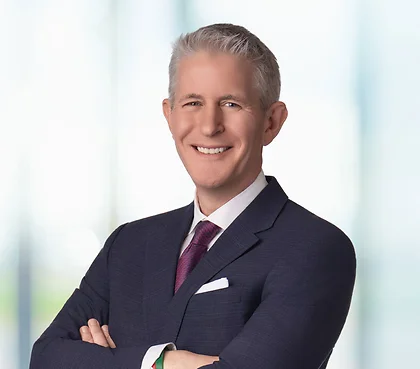
Brendan Johnson | Partner

Former U.S. Attorney for the District of South Dakota and chair of the DOJ’s Native American Issues Subcommittee and a member of the Attorney General’s Advisory Committee and the Justice Department’s Terrorism/National Security and cybercrime Subcommittee. Brendan’s practice spans wrongful death and catastrophic injury litigation, medical malpractice, significant contingency matters, financial fraud, shareholder disputes, class actions, government and internal investigations, and complex business litigation.
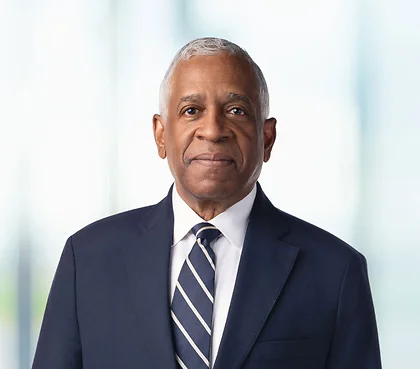
B. Todd Jones | Partner

Former U.S. Attorney for the District of Minnesota, first confirmed Director of the Bureau of Alcohol, Tobacco, Firearms and Explosives, and former Senior Vice President and Special Counsel for Conduct at the NFL. B. Todd advises clients facing government investigations, regulatory scrutiny, white collar risk, and high-profile litigation.
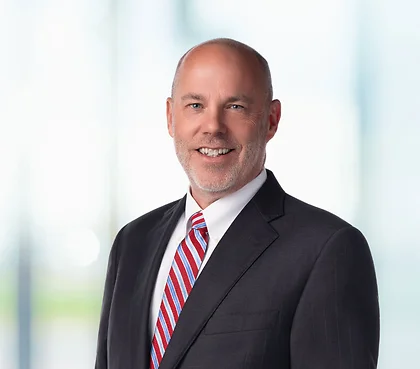
Tim Purdon | Partner

Former U.S. Attorney for the District of North Dakota and member of the Attorney General’s Advisory Committee, a group that advised the Attorney General on criminal justice matters and served as chair of the DOJ’s Native American Issues Subcommittee. Tim’s current practice includes leading complex litigation for plaintiffs and defendants, including complex business disputes, medical malpractice, and personal injury claims.
Carla Baumel | Counsel

Former Assistant U.S. Attorney for the District of Minnesota and Assistant Attorney General for the Colorado Department of Law. Carla brings experience in antitrust enforcement, technology and life sciences disputes, organized-crime and AI-related investigations, complex RICO trials, and matters at the intersection of IP, competition, and government enforcement.
Lauren Roso | Counsel

Former Senior Litigation Counsel and Assistant U.S. Attorney for the District of Minnesota. Lauren prosecuted complex drug trafficking, money laundering, violent crime, and national security-related matters; secured multiple federal jury trial victories; argued before the Eighth Circuit; and brings experience in government enforcement, internal investigations, healthcare fraud, and sensitive federal matters.
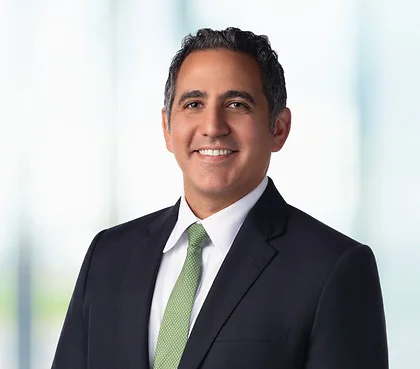
Bahram Samie | Counsel

Former Deputy Civil Chief of the U.S. Attorney’s Office for the District of Minnesota. Bahram investigated and litigated matters involving the False Claims Act, Anti-Kickback Statute, government healthcare and procurement fraud, Controlled Substances Act enforcement, and civil rights investigations.
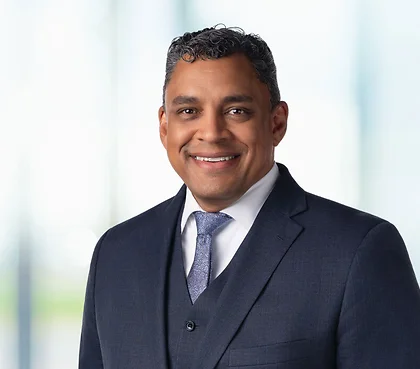
Allen Slaughter | Counsel

Former Deputy Chief of the Narcotics & Indian Country Section in the U.S. Attorney’s Office for the District of Minnesota. Allen brings nearly 16 years of federal prosecutorial experience involving public corruption, health care fraud, bank fraud, controlled substances, firearms, and complex conspiracy cases.
Related Attorneys
 Partner
 Partner
 Partner
 Counsel
 Counsel
 Counsel
 Counsel
